GRATIS VERZENDING VANAF € 150 • LEVERING IN HEEL BELGIË • GRATIS AFHALING IN ANTWERPEN
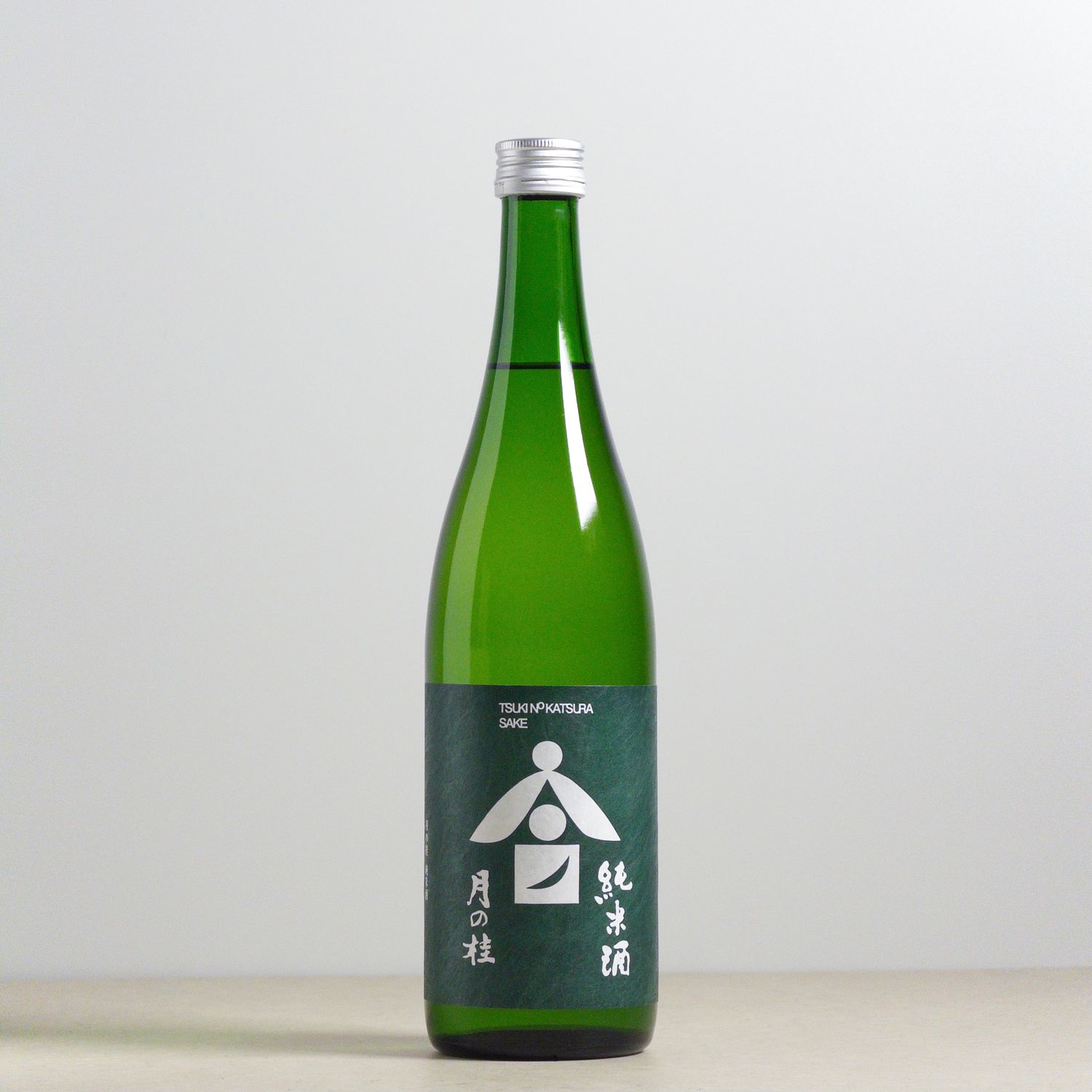
TSUKINO KATSURA JUNMAI
SKU MAS002S720
€ 27,27
IN STOCK IN OUR STORE
Buy and save
Buy and earn € 0,33 Loyalty for your next purchase
Loyalty is a discount program that lets you buy products and earn points to redeem on your next purchase. Your Loyalty balance is updated when you pay online or in-store. The Loyalty amount shown on this page can be recalculated at the checkout.
Size
Please choose
Masuda Tokubee Shoten - Junmai
Estimated delivery time
Pickup: in 4 days
In stock: 35 available
1
TSUKINO KATSURA JUNMAI
Product Details
Brand: Tsuki no Katsura
Brewery: Masuda Tokubee Shoten
Prefecture : Kyoto
Toji: Takuya Nishizawa
Region: Fushimi
Type: Junmai
Rice: Kyō no Kagayaki
Polishing ratio: 60%
Serving temperature : 15°C - 45°C
Alchohol: 15%
Tasting notes : In the nose, subtle aromas of banana and steamed rice. In the mouth, it is round and soft, with a delicate rice sweetness and mild umami. A light bitterness and fresh acidity at the end.
Food pairing : Great with pizza with mushrooms and mozzarella, risotto or chicken with cream sauce or fried fish, tempura or pork with ginger.
Koji: Yellow
Shubo: Sokujo
Yeast: Kuratsuki Kobo
Water: Fushimi Groundwater / Fushimizu
SMV: N/D
Amino acidity : N/D
NET: 720 ml
Dishes: BBQ & Grill, Meat & Poultry, Warm sake, Fish & Seafood, Salads & Vegetables
Brewery information
During our visit to Masuda Tokubee Shoten, in Fushimi, the historic sake district in southern Kyoto, we discovered how the Masuda family has passed down craftsmanship since 1675 while simultaneously continuing to innovate. We met Tokubee Masuda, the fourteenth generation, and his son Junichi Masuda, the fifteenth generation, at the special moment when the leadership passed from father to son. Their shared conviction became immediately clear: tradition is a foundation to build upon.
With their signature brand 'Tsuki no Katsura', they bring that philosophy to the everyday table. This refined junmai is brewed with Kyō no Kagayaki, rice from Kyoto, polished until 60% of the original grain weight remains. Without the addition of brewing alcohol, the flavor of the rice, the fermentation, and their mutual balance are central. The kuratsuki kōbo 'house yeast' contributes to the recognizable character of the sake.
An important foundation is the groundwater of Fushimi. The region lies at the foot of the hills south of Kyoto, where water is filtered through the underground and collects in underground water layers. The historical writing form 伏水, “hidden water,” refers to that wealth beneath the city. The water made Fushimi one of Japan's most important sake regions.
This relatively soft water contains fewer minerals that stimulate fermentation than the well-known hard brewing water of Nada. This requires careful control of the yeast. It is traditionally associated with the soft, round, and refined style of Fushimi sake, although the final character also depends on the rice, yeast, and brewing brewer's choices. Water directly connects sake here to the place where it originates.
Subtle aromas of banana and steamed rice appear in the glass. The flavor is round and soft, with natural rice sweetness, mild umami, and a light bitterness that adds a touch of tension. A fresh, well-balanced finish keeps the entire experience in harmony. This junmai is crafted to accompany dishes and allow their flavors to shine.
Its versatility is also evident in the serving temperature. Chilled between 5 and 15 °C, freshness and subtle fruit are the priority; at room temperature or lightly warmed to about 40–45 °C, the round texture and rice starch become more pronounced. Serve it with pork, fried sea bass, sukiyaki, tempura, or grilled meat with a lightly sweet sauce.
The deep green label, with its brush-like texture, silver house brand, and calligraphy of 月の桂 and 純米酒, complements that understated style. Turn the logo around and you discover rabbit ears, a playful reference to the rabbit that lives on the moon in Japanese imagination. The poetic name Tsuki no Katsura, “the cat tree of the moon,” refers to a poem by the nobleman Ayanokōji Arinaga, with whom the family was connected. Thus, name, image, and culture come together on the bottle.
That cultural connection has spanned the entire history of Masuda Tokubee Shoten. The house was originally located along the Toba Kaidō, a historic access road to Kyoto, and provided lodging for traveling noblemen during the late Edo period. Later, it grew into a meeting place for writers, calligraphers, and sake enthusiasts. The exchange between sake and art helped successive generations develop their sense of taste, beauty, and hospitality.
A tangible example of their vision is the koshu, the aged sake of the house. On the attic, we saw more than a hundred porcelain cups, in which sake quietly develops for years. Inspired by the Honchō Shokkan, a Japanese culinary encyclopedia from 1695, the brewery began storing junmai daiginjo in these cups in 1965. They are sealed with paulownia wood, Japanese paper, and lacquer.
During maturation, color, scent, and texture change. Sake gains more depth and develops an amber color that is reflected in the name Kohakukō, “amber light.” Some casks contain sake from more than fifty years old. We also discovered a collaboration with Onkyo, where sound vibrations on the sake are transferred to investigate their possible influence on maturation. It shows how an ancient house continues to make space for experimentation.
That same curiosity lay at the basis of the lively nigori sake. Doburoku, a cloudy, unfiltered rice drink, was also once brewed at home. In 1899, during the Meiji period, the Japanese government banned home brewing as part of a tax reform. As a result, this tradition gradually disappeared from everyday life.
When the renowned fermentation scientist Kin’ichirō Sakaguchi expressed his desire to once again taste the doburoku of the past, the thirteenth generation of Masuda sought a solution. Under the supervision of the tax authorities, the brewery developed a method in which the sake was only coarsely filtered. This way, he met the legal requirements for sake, while retaining a portion of the rice components and the lively, cloudy character.
In 1964, she introduced Japan's first sparkling nigori sake. With this, the brewery gave the character of doburoku a new, legally permitted form and helped reestablish a nearly forgotten flavor tradition.
Display prices in:EUR