GRATIS VERZENDING VANAF € 150 • LEVERING IN HEEL BELGIË • GRATIS AFHALING IN ANTWERPEN
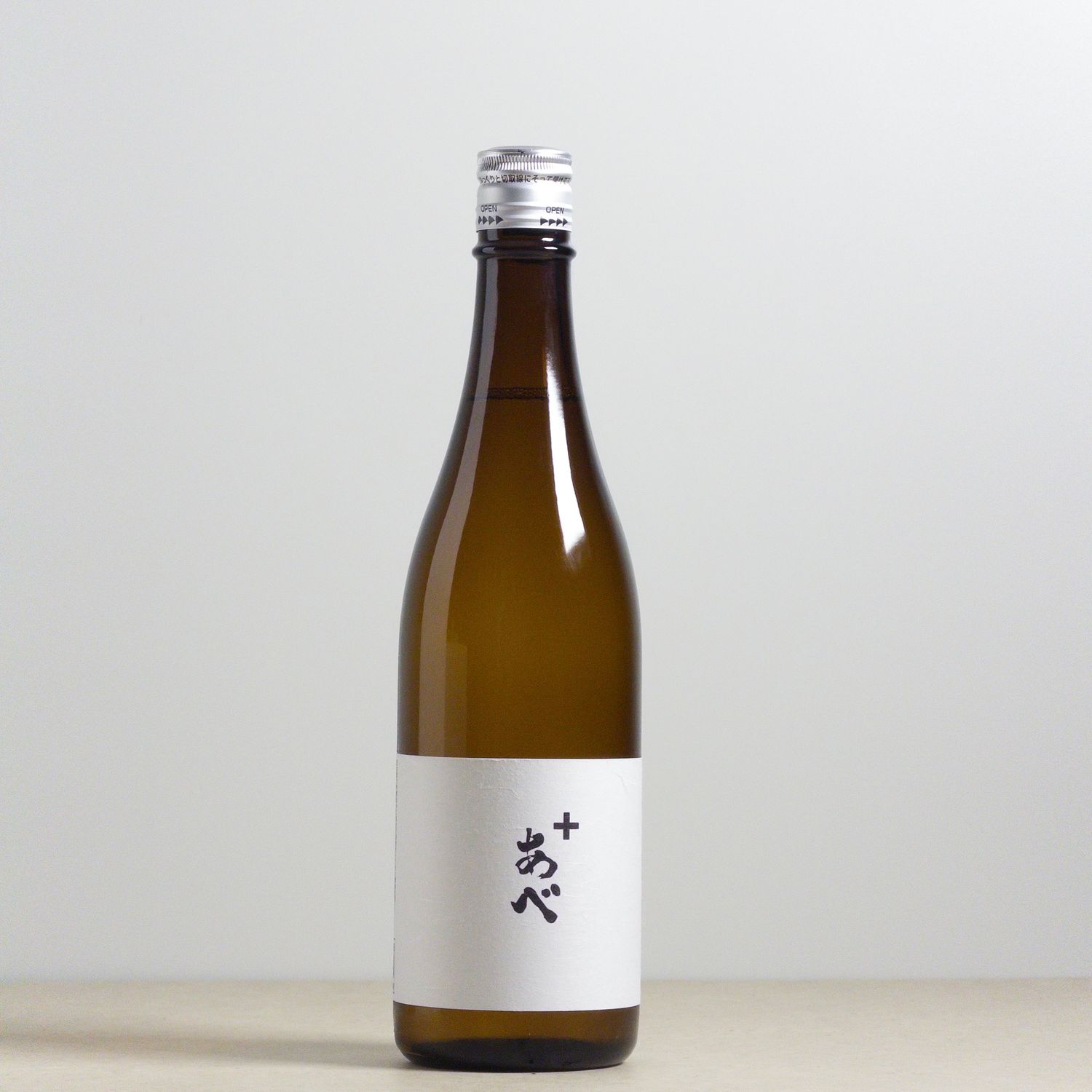
ABE - ABE+ CRAFT SAKE
SKU ABE009S720
€ 39,67
Buy and save
Buy and earn € 0,48 Loyalty for your next purchase
Loyalty is a discount program that lets you buy products and earn points to redeem on your next purchase. Your Loyalty balance is updated when you pay online or in-store. The Loyalty amount shown on this page can be recalculated at the checkout.
Size
Please choose
Abe - ABE+ Hashira Shōchū Shikomi
Estimated delivery time
Pickup: in 2 days
In stock: 20 available
1
ABE - ABE+ CRAFT SAKE
Product Details
Brand: ABE+
Brewery: Abe Shuzo
Prefecture : Niigata
Toji: Yuta Abe
Region: Kashiwazaki
Type: Craft Sake Hashira Shōchū Shikomi
Rice: N/D
Polishing ratio: N/D
Serving temperature : 15°C - 45°C
Alchohol: 14%
Tasting notes : Soft rice sweetness and rich umami combine with refined ginjo aromas. Round and smooth in the mouth, with a fresh tension and a pure, crisp finish thanks to the added kasutori shochu.
Food pairing : Lightly chilled with grilled chicken, BBQ fish and roasted vegetables. At room temperature with duck breast, wild game dishes and BBQ meat.
Koji: N/D
Shubo: N/D
Yeast: N/D
Water: Soft water from Kashiwazaki
SMV: N/D
Amino acidity : N/D
NET: 720 ml
Dishes: Fish & Seafood, Meat & Poultry, Cheese, Hot Sake, BBQ & Grill
Brewery Information
In Kashiwazaki, on the coast of Niigata, Abe Shuzo gives its own interpretation to more than two centuries of sake history. The family brewery has existed since 1804, yet it looks firmly to the future. Driven by Yuta Abe, the sixth generation and head of production, historical techniques are being re-examined, resulting in sakes that surprise with their freshness, texture, and depth of flavor.
Their philosophy, “Enjoy Fermentation,” is the starting point. For Abe, fermentation is a process of continuous discovery: what happens when you change a recipe, use a different rice, or revive a forgotten technique? That curiosity leads to a distinctive house style in which lively acidity and rice umami take center stage.
ABE + is a remarkable example of this. The story begins with sakekasu, the solid lees left behind after pressing sake. These contain, among other things, rice remnants still packed with flavor. Abe Shuzo presses its sake using a traditional fune, which applies relatively little pressure. As a result, a substantial amount of flavorful sakekasu remains.
Sakekasu is also given a second life elsewhere, for example in food, animal feed, cosmetics, or as fertilizer. Yuta Abe looked for a way to retain that value within the brewery’s own production process while also developing a new flavor expression.
He found the solution in kasutori shochu, a distillate the brewery makes itself from its sakekasu. This shochu is then added to the moromi, the fermenting mash of rice, kōji, water, and yeast.
In this way, different parts of the same production process are connected again: the rice becomes sake, the sakekasu becomes shochu, and that shochu is given a new place in fermentation. It is a concrete step toward production with as little waste as possible, where reuse also helps shape the flavor of the final product.
This technique is called Hashira Shōchū Shikomi and has its origins in the Edo period. Abe Shuzo gives this historical method a contemporary interpretation, with a deliberate interplay between fermentation and distillation.
The moment at which the shochu is added also offers room for experimentation. According to Yuta Abe, it influences when the character of the distillate comes forward in the flavor: from the first sip, or more gradually toward the finish. This makes the addition a deliberate choice in the structure of the sake.
Because of the use of kasutori shochu, ABE + falls outside the special classifications of the Tokutei Meishōshu system, such as Honjozo, Ginjo, and Daiginjo. It remains legally sake, but is classified as futsūshu. That classification in itself says nothing about the craftsmanship or flavor complexity.
For Yuta Abe, classification is not the end goal. He is guided in brewing by flavor, fermentation, and curiosity. ABE + reflects that vision, with rice from Niigata and shochu derived from the brewery’s own sake production.
In the glass, ABE + brings together the deep umami and rounded richness of sake with the clean, crisp finish of shochu. On the palate, it shows a beautiful balance between a rice-driven body and subtle sweetness. The addition of the distillate gives extra expression to the refined ginjo aromas and adds tension to the flavor profile.
Light-footed and modern, with a refreshing sharpness that beautifully balances the rounded rice character. The finish is clear, fresh, and tight, giving the sake both depth of flavor and easy drinkability.
Serve lightly chilled or at room temperature. Excellent with dishes rich in umami, such as grilled chicken with herbs, roasted vegetables, mushrooms, or grilled fish and meat. It also pairs beautifully with shabu-shabu, where the interplay between rice umami and the tighter finish comes into its own.
ABE + brings the brewing process together in one bottle: a historical technique, a new purpose for sakekasu, and an original vision of flavor.
Display prices in:EUR