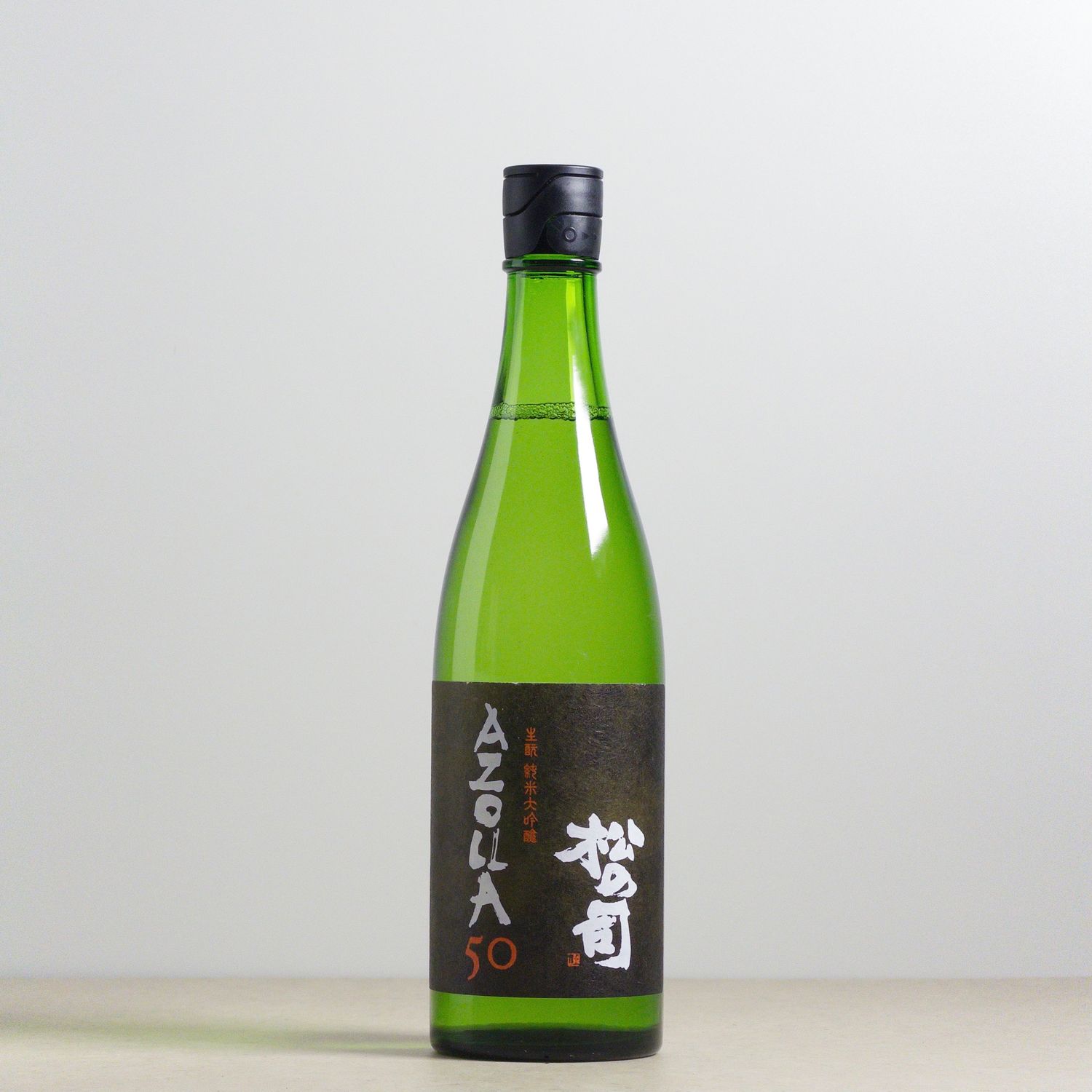
MATSUSE - AZOLLA 50 JUNMAI DAIGINJO KIMOTO
SKU MAT001S720
€ 39,67
Buy and save
Buy and earn € 0,48 Loyalty for your next purchase
Loyalty is a discount program that lets you buy products and earn points to redeem on your next purchase. Your Loyalty balance is updated when you pay online or in-store. The Loyalty amount shown on this page can be recalculated at the checkout.
Size
Please choose
Matsuse - Junmai Daiginjo Kimoto
Estimated delivery time
Pickup: in 3 days
In stock: 70 available
1
MATSUSE - AZOLLA 50 JUNMAI DAIGINJO KIMOTO
Product Details
Brand: Matsunotsukasa
Brewery: Matsuse Shuzo
Prefecture : Shiga
Toji: Keizo Ishida
Region: Ryuou
Type: Junmai Daiginjo Kimoto
Rice: Yamada Nishiki
Polishing ratio: 50%
Serving temperature : 5°C - 20°C
Alchohol: 15%
Tasting notes : Subtly fruit and soft flowers, with a hint of yogurt and fresh green accents. The flavor begins bright and fresh and gradually gains more roundness, with a soft texture and delicate umami.
Food pairing : Perfectly pairs with grilled eggplant with miso, roasted cauliflower with a fresh yogurt sauce, chicken with lemongrass and Thai basil, or a salad of pear and blue cheese.
Koji: Yellow
Shubo: Kimoto
Yeast: Kuratsuki Kobo
Water: Echi River
SMV: N/D
Amino acidity : N/D
NET: 720 ml
Dishes: Meat & Poultry, Salads & Vegetables, Cheese, Fish & Seafood
Brewery Information
In Ryuo, a farming area in Shiga Prefecture, east of Lake Biwa, Matsuse Shuzo has been brewing sake since 1860. Under the name Matsunotsukasa, the brewery creates sakes defined by freshness, rice character and refined balance. The rice, water and people behind each bottle shape the house style.
During our visit, we were particularly struck by tōji Keizo Ishida’s explanation of the soil and underlying rock formations. He showed us why it matters to look beyond the rice variety alone. His understanding of terroir connects the geology, water and growing conditions with the farmers’ work and the decisions made in the brewery. It helped us appreciate just how closely Matsunotsukasa is connected to the landscape of Ryuo.
Matsunotsukasa Junmai Daiginjo AZOLLA 50 gives this connection its own expression. The brewery uses locally grown Yamada Nishiki, cultivated without agricultural pesticides or synthetic fertilisers during the growing season. Matsuse Shuzo works with contract farmers and polishes the rice in-house.
The name refers to Azolla, a small floating aquatic fern found in rice fields and lakes. By covering the water’s surface, it can block light from reaching unwanted plants, helping to suppress their growth. The number 50 refers to the rice-polishing ratio: half of each grain remains after polishing.
Behind this approach to cultivation lie the farmers’ daily care and considerable manual effort. AZOLLA 50 tells the story not only of a rice variety, but also of the people and environment from which it comes.
AZOLLA 50 is brewed using the traditional kimoto method, without the addition of cultured yeast. Fermentation relies on the resident yeasts naturally present in the brewery, allowing the interaction between rice, environment and fermentation to unfold.
Elegant, restrained fruity and floral aromas are complemented by subtle hints of yoghurt and sour cream. A fresh, green nuance brings young leaves to mind.
On the palate, AZOLLA 50 opens clean and focused, gradually becoming softer and more expansive. Clarity meets a refined, rounded texture. This Junmai Daiginjo reveals its complexity slowly and benefits from a spacious wine glass that allows it to open
Display prices in:EUR